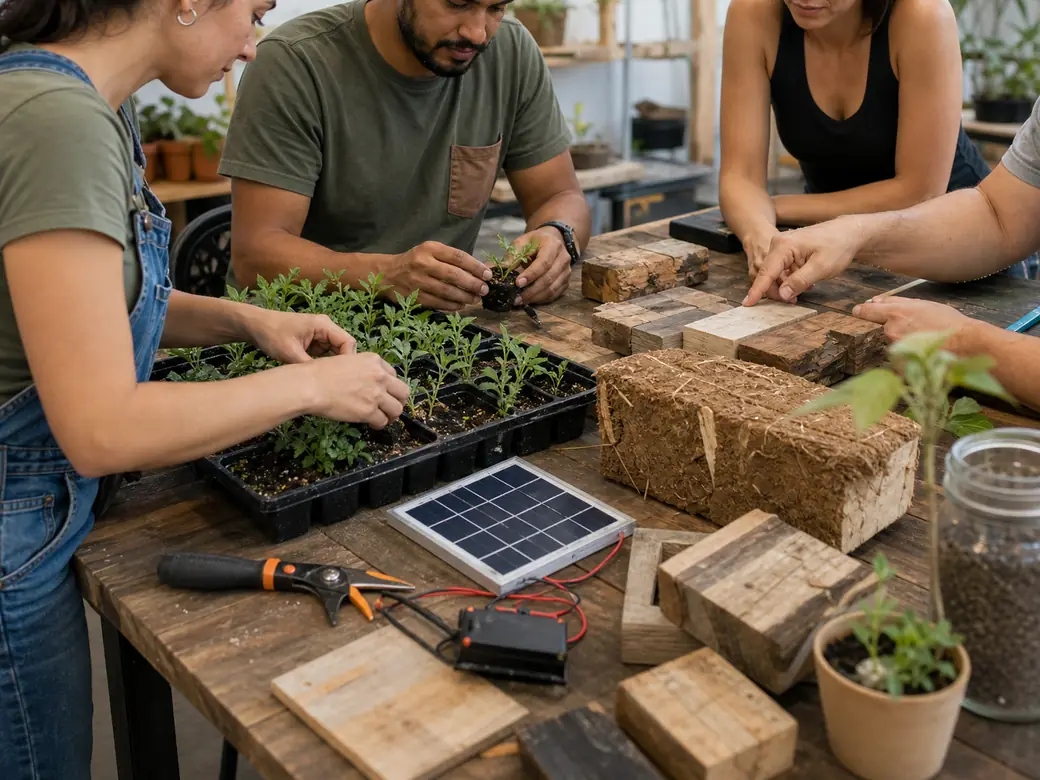
Food and land
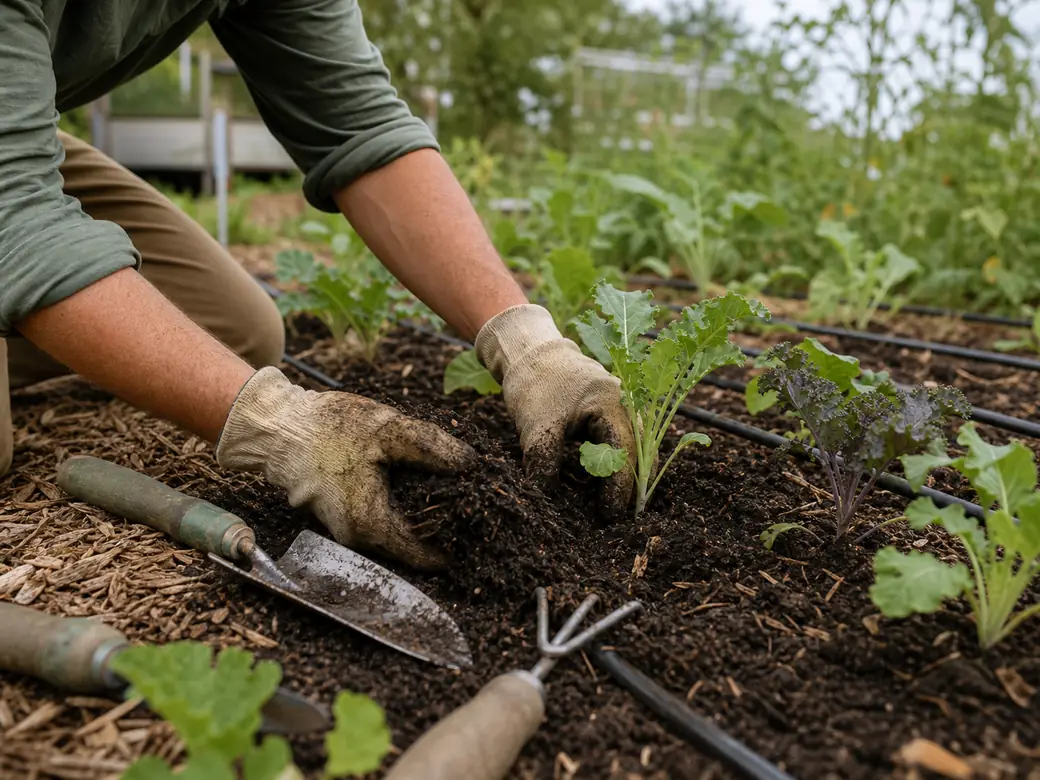
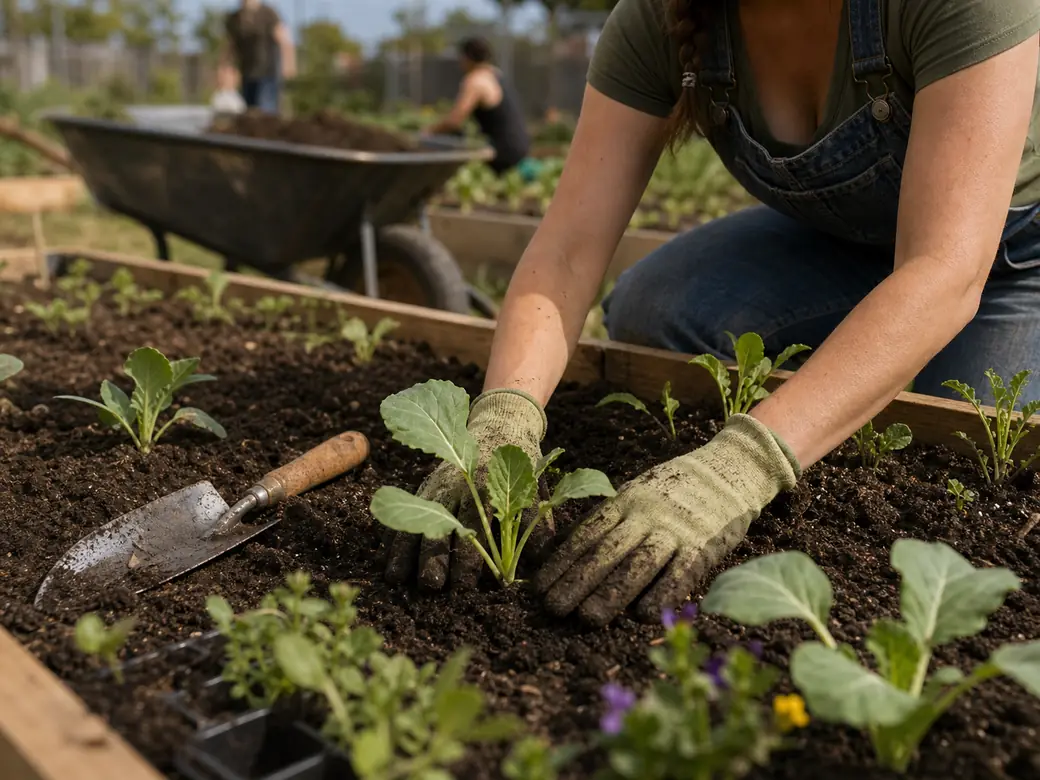
Gardens, food forests, compost, soil repair, and learning sites that turn empty ground into long-term local capacity.
The charity arm of Netism
Shared World exists for one reason: to help people build useful local life that can keep going. Food, repair, shelter, training, service records, and resource routes are not side projects. They are the public work.
The Shared World Project was created because too many communities are asked to survive on systems they do not own: distant supply chains, fragile energy, throwaway materials, isolated volunteer events, and charitable programs that disappear when funding cycles end.
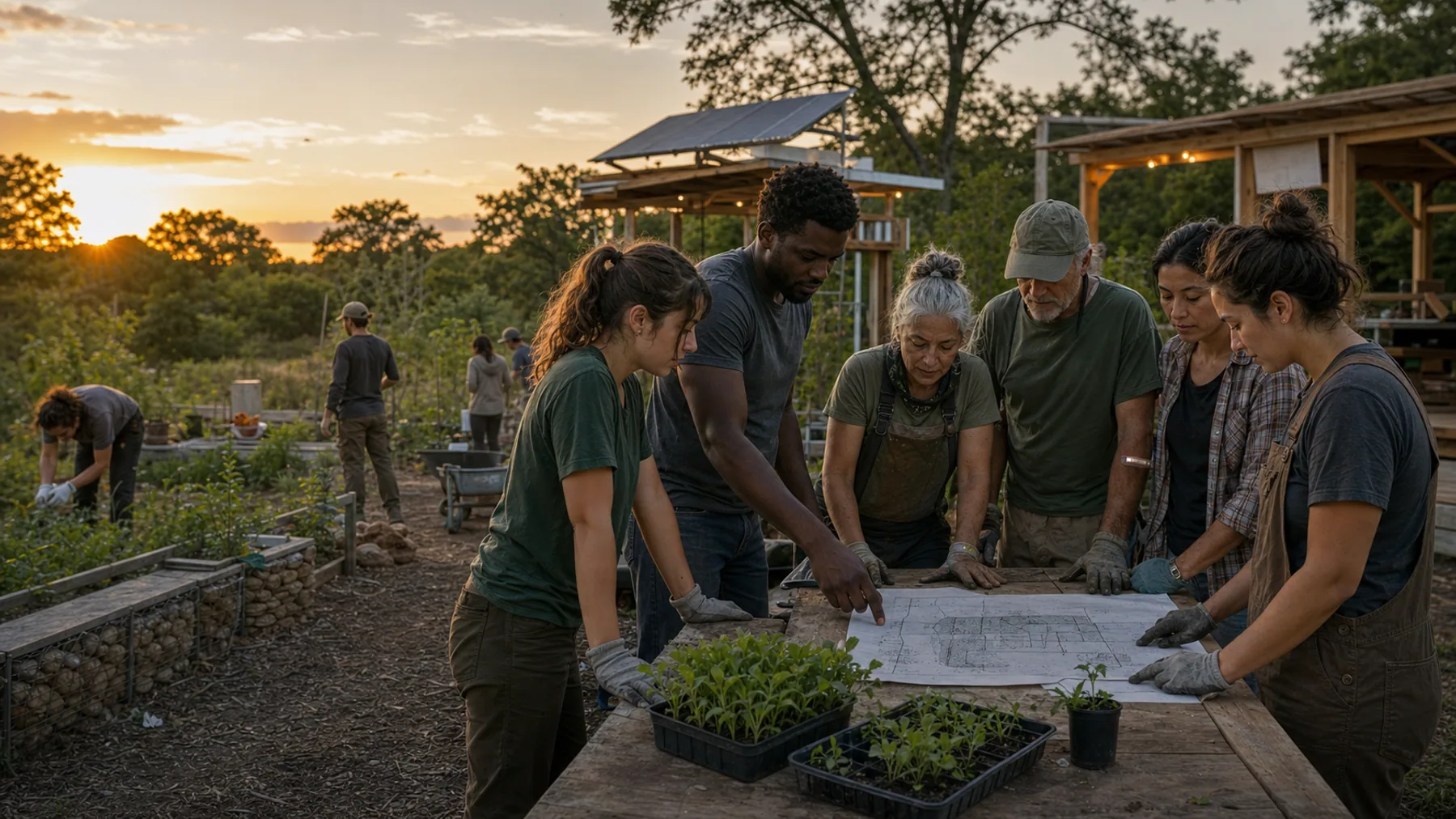
We are building something more practical. Shared World turns donated goods, volunteer time, land, skills, and partner capacity into repeatable local systems. A garden becomes a teaching site. A service day becomes a verified record. A donated truckload becomes usable furniture, tools, supplies, or materials for a real project. A host community becomes a place where people can learn, repair, grow, and support one another without depending on a city or store for every answer.
Shared World is a 501(c)(3) public charity with EIN 39-4633454. It is governed by Netism, but it is built for public benefit. Netism gives the ethical frame. Shared World does the public charitable work in the field.
The mission is not abstract. It shows up as work people can touch, maintain, document, and pass on.
Gardens, food forests, compost, soil repair, and learning sites that turn empty ground into long-term local capacity.
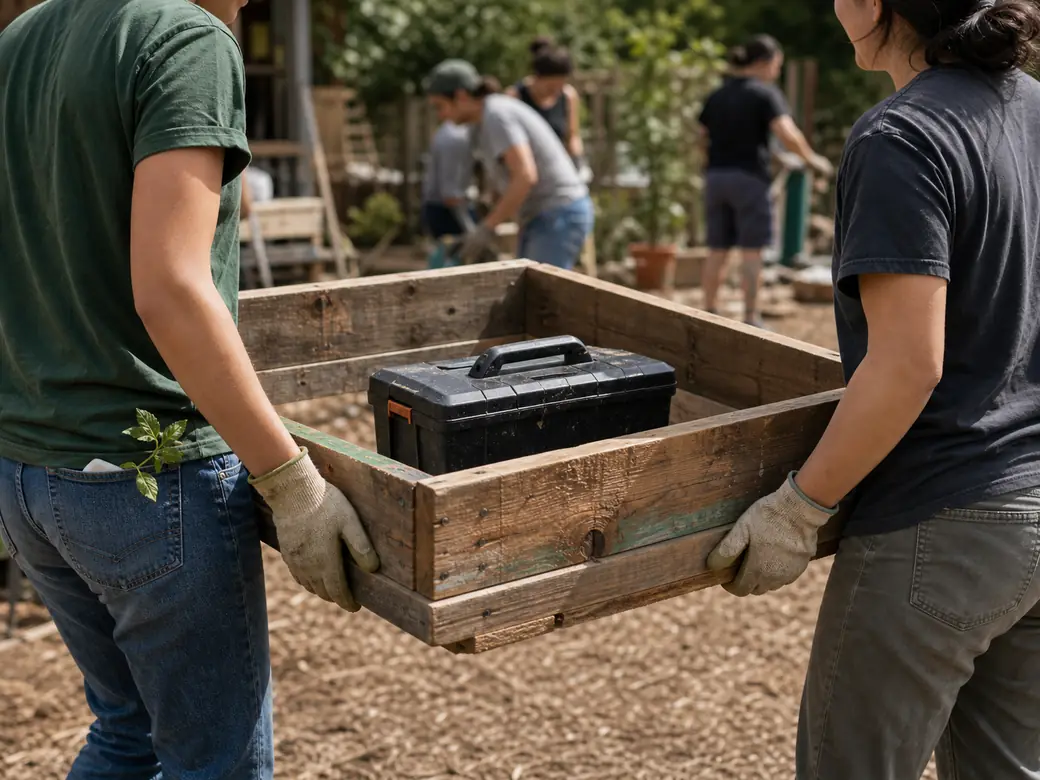
Furniture, tools, materials, supplies, and equipment routed toward nonprofits and community projects before they become waste.
Volunteer pathways, court-service intake, service letters, training, safety records, and public accountability for the work being done.
Netism is the governing parent organization. It gives Shared World its spiritual and ethical direction through the Three Primary Laws and the Nine Points. Those principles shape how we handle free will, balance, care, community sovereignty, technology, justice, and action.
That relationship matters because Shared World is not meant to become another generic charity brand. The work is supposed to point people back toward the larger web: every tool saved, meal grown, hour verified, skill taught, and material reused changes more than the immediate project.
Volunteers, donors, agencies, nonprofits, hosts, court-service participants, and community partners can work with Shared World without joining Netism. Governance is behind the scenes. Public service stays open.
Read how the laws and points guide Shared WorldThese are the standards that keep the page honest and keep the organization focused on real-world usefulness.
The work has to leave behind food, skills, shelter capacity, cleaner material flows, stronger records, or better tools. Awareness by itself is not enough.
Netism governs the values, but Shared World public programs are open. You do not have to join Netism to volunteer, donate, partner, request help, or receive service records.
A workday matters more when it becomes a repeatable route: intake, safety, tools, trained leads, proof of hours, maintenance, and a next crew ready to continue.
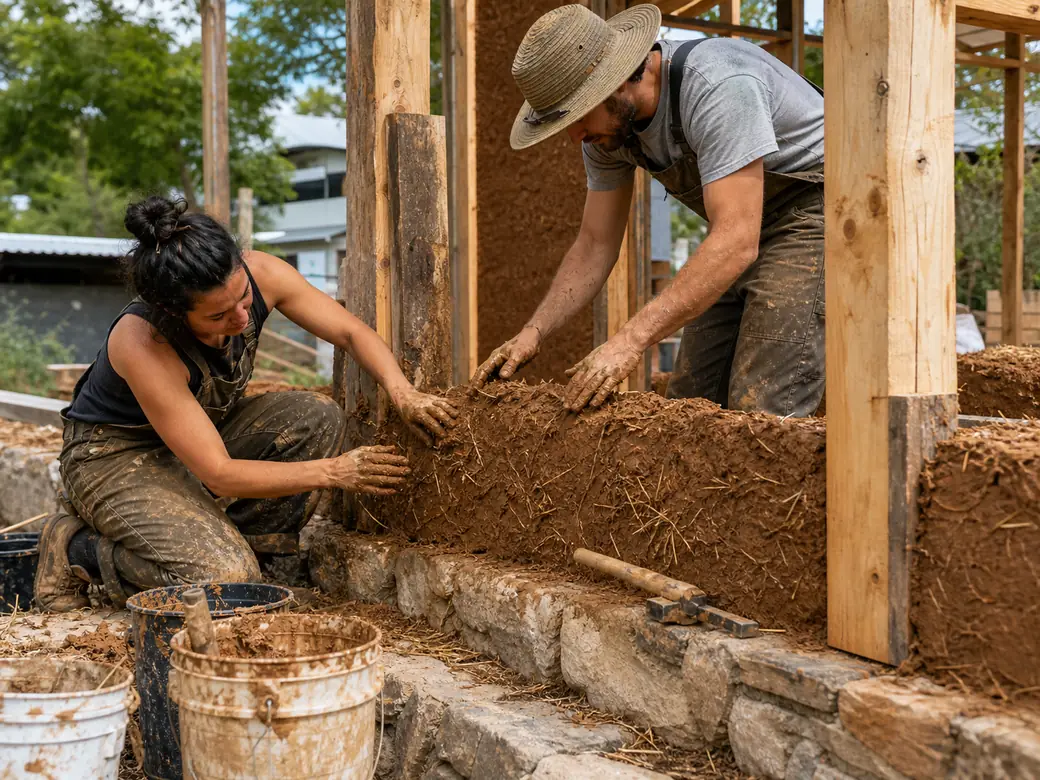
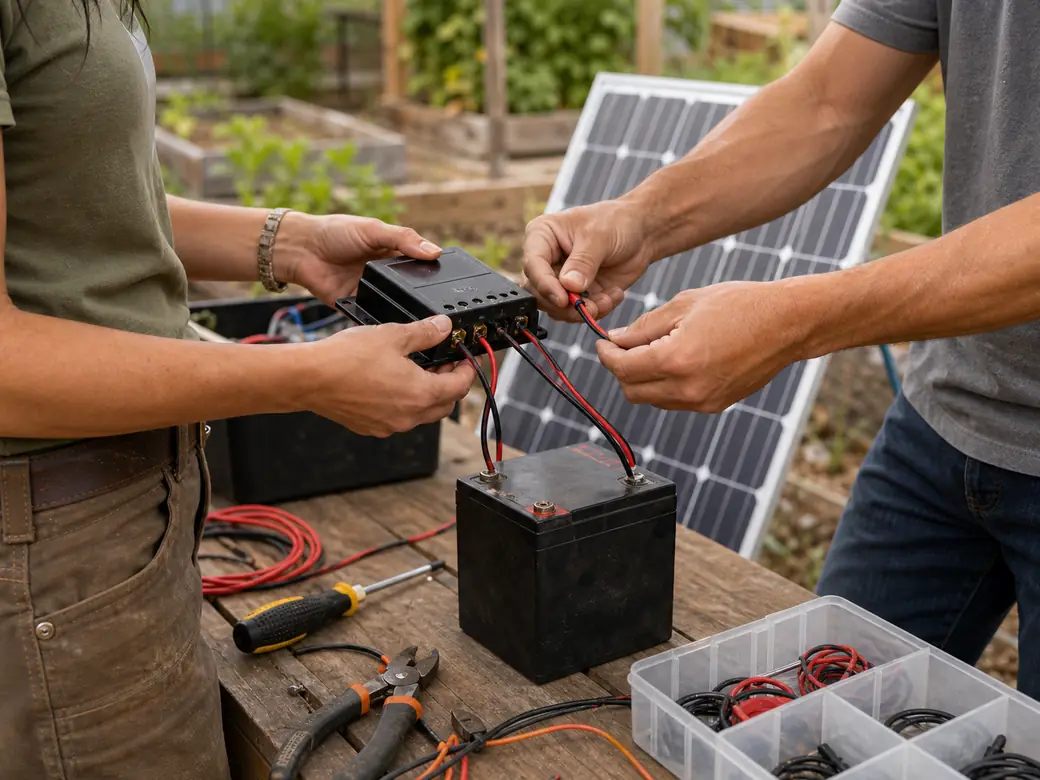
Shared World is designed around food, repair, shelter, training, resource exchange, small power, and community-held knowledge because those are the pieces people need when outside systems become unreliable.
The programs are separate enough to operate, but connected enough to reinforce one another. Food projects need tools. Tool libraries need storage. Training needs sites. Service records need real placements. Material recovery needs partners.
A good system should be easy to enter and hard to fake. This is the basic path from request to repeatable work.
A community, nonprofit, agency, school, company, or host site brings a real need: land, materials, volunteers, hours, training, tools, or a practical project.
Shared World checks the basics: safety, ownership, eligibility, capacity, service rules, usable resources, and whether the work can be documented honestly.
The platform matches people, goods, sites, and programs through public pages and private workspaces, with different paths for volunteers, nonprofits, agencies, and partners.
The goal is not a photo after one event. The goal is a community that has more food, better tools, trained people, clearer records, and a stronger next step.
Shared World is still young, but the work is specific. We are building verified pathways for service, public listings for projects and resources, host-community profiles, donation routes, and partner systems that can turn scattered help into a durable network.