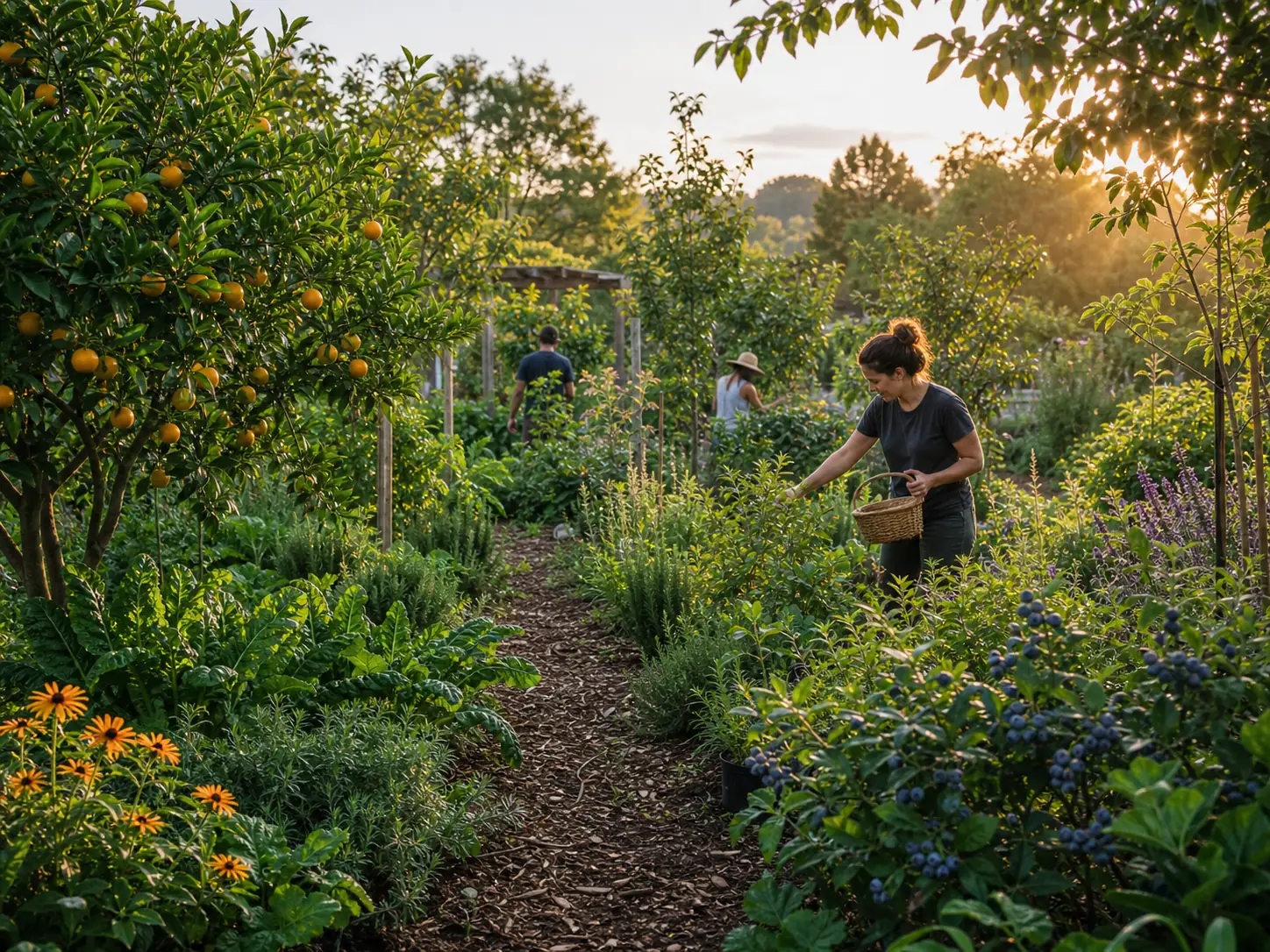
Food and land
Food forests, gardens, orchards, compost sites, native plant work, soil repair, and water-wise growing.
The Living Net
Shared World host communities are land projects, food sites, repair spaces, training hubs, and intentional places that can receive help, teach practical skills, and build local capacity without losing their own rhythm.
Map
Loading map...
Loading the host map...
What this page is for
A host community is not just a listing. It is a place with people, constraints, skills, land, tools, and a way of receiving service. The page below is designed to help visitors understand what kind of host they are looking at, what work is appropriate there, and how Shared World keeps the relationship practical.
Published hosts will appear here after review. Until public host profiles are available, the directory shows network models so applicants and volunteers understand what belongs in this part of the platform.
Host capacity
Food forests, gardens, orchards, compost sites, native plant work, soil repair, and water-wise growing.
Reuse yards, tool libraries, repair shops, small build sites, salvage projects, and maintenance crews.
Workshops, skill mentorship, service hour verification, volunteer orientation, and practical training days.
Places that can host recurring crews, receive donations responsibly, and keep people connected to useful local work.
Quiet land, restorative gardens, care spaces, and peer-supported places where people can recover strength without medical claims.
Gathering circles, teaching shelters, and reflection spaces that help people act with purpose while keeping participation voluntary.
How hosting works
Hosts need enough structure to receive help well. The review process focuses on what the site can safely offer, what it needs, who should contact it, and which boundaries volunteers must respect before arriving.
Start a partnership conversationShared World reviews host intent, public contact details, and whether the site is ready for outside help.
Hosts describe current projects, site rules, needed skills, available tools, and whether housing or camping is possible.
Volunteers, donors, and partners use the public profile to understand fit before a deeper conversation begins.
Service, resources, training, and outcomes can be recorded so the network knows what is actually being built.
Directory
Search public hosts when they are available. In local preview, this page shows model cards instead of a broken loading state.
Good fit
Bring a place into the network