The Shared World Project

Parent organization

Netism governs the values. Shared World does the public work.

Netism is the governing parent organization behind The Shared World Project. Its role is to hold the ethical frame: free will, non-harm, unity, equality, and the nine points that guide how Shared World serves.

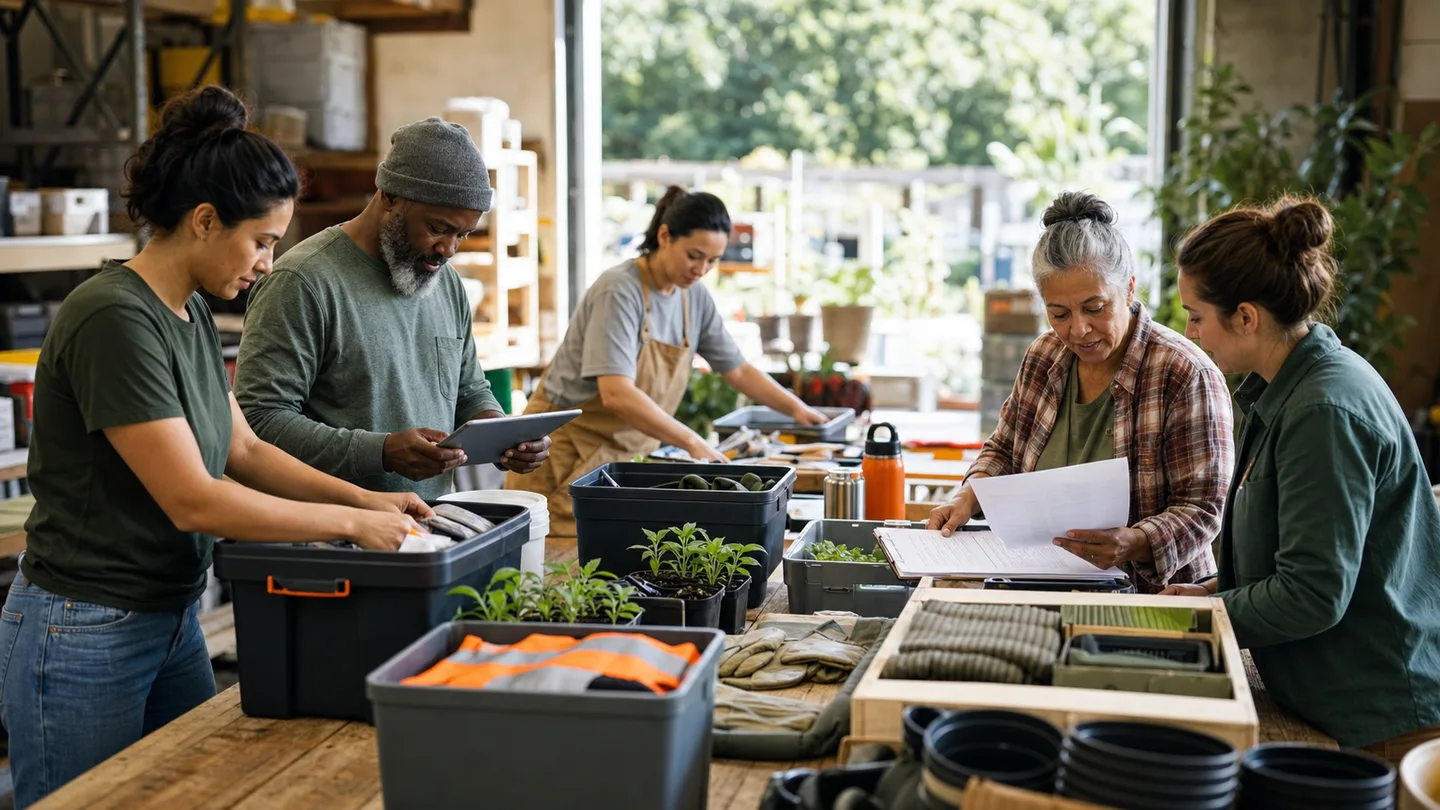
People planning community work around a shared table
Shared World translates governing values into public service systems.

What Netism is

Netism describes itself as a living philosophy and nonprofit spiritual organization. For Shared World, that means Netism provides governance, values alignment, and the spiritual-ethical structure behind the charitable work.

What Shared World is

The Shared World Project is the charity arm: the public 501(c)(3) structure that organizes volunteers, material recovery, nonprofit support, education, community gardens, required-service records, and practical resilience projects.

Netism involvement is not required.

You do not have to join Netism, practice Netism, or identify with Netism to volunteer, donate, request support, partner with Shared World, or receive service records. Shared World is governed by Netism's principles, but public participation remains open.
The Net: why simple actions matter

Netism describes The Net as the living architecture of connection: every life, action, intention, resource, and relationship becomes part of a wider weave. Shared World translates that idea into public charitable work. The point is not to use spiritual language as decoration. The point is to show people that ordinary actions carry real effects across the larger whole.

This is why Shared World focuses on practical acts that can be seen and verified: food grown, materials reused, hours served, tools shared, land restored, and skills taught.

  • A donated item is not just an object. It changes waste, need, dignity, cost, and the capacity of the next project.
  • A verified service hour is not just a record. It connects a person, a site, an agency, a nonprofit, and a real act of repair.
  • A garden island, workday, repair route, or training session is a thread in the larger web of people, land, tools, and future choices.

The Three Primary Laws

These three laws are the ethical guardrails. Shared World uses them as operating constraints for programs, partner decisions, service design, and public communication.

01

Law of Free Will: Individual Sovereignty

Participation must stay voluntary and consent-based. Shared World can invite, educate, organize, and serve, but it cannot pressure people into belief, membership, personal disclosure, or service that violates their agency.

02

Law of Compassion and Non-Harm

Programs must reduce harm to people, animals, land, water, air, and community trust. Service design, material routing, site rules, and conflict handling should preserve safety and stewardship.

03

Law of Unity and Equality: Honor the Whole

Every participant holds equal dignity. Shared World decisions should consider both the individual and the whole, with fair participation, clear boundaries, and no exclusion based on identity or innate traits.

The Nine Points

Netism's Nine Points become a practical checklist for Shared World. They keep the work from becoming charity theater, generic volunteering, or a resource pipeline without accountability.

  1. 01

    Unity

    Treat service as work inside one connected whole. Helping another is also an inward act because every action affects the shared web.

  2. 02

    Balance

    Design projects with humility around cycles, limits, loss, repair, and restoration instead of pretending any system can take without cost.

  3. 03

    Collective Evolution

    Use personal growth, public knowledge, and shared training to move the wider community from scattered effort toward practical peace and capacity.

  4. 04

    Environmental Stewardship

    Treat care for land, water, soil, energy, and waste as spiritual and practical work, not a branding exercise.

  5. 05

    Minimize Harm

    Reduce suffering through kind conduct, responsible consumption, safer sites, less waste, and attention to the ripple effects of small actions.

  6. 06

    Education and Collaboration

    Keep useful knowledge accessible, invite many disciplines, and build learning systems where experts, self-taught builders, and volunteers can work together.

  7. 07

    Community

    Build spaces where different viewpoints and backgrounds can contribute to a fuller picture without forcing sameness.

  8. 08

    Spirituality

    Respect the inner life of each person while keeping Shared World service open to people from different beliefs and no formal Netism involvement.

  9. 09

    Philanthropy

    Give without turning kindness into reputation, leverage, or transaction. Shared World should embody the society it wants to help build.

How this governs Shared World decisions

The relationship is not cosmetic. The laws and points create a standard for how Shared World should design public programs, accept resources, protect participants, and report outcomes.

  • Volunteer and required-service pathways must stay open to people who are not involved in Netism.
  • Resource Exchange work should route useful goods by need, safety, and stewardship, not by insider status.
  • Service records, waivers, and impact reporting should be honest enough for outside review.
  • Programs should favor practical local resilience: food, shelter, repair, tools, training, power, and care.
  • Public copy should make the relationship clear without turning Shared World into a membership funnel.

Read the source material

This page summarizes how the Netism framework applies to Shared World. For the full doctrine and original language, read the Netism pages directly.